Why loudness is not ‘louder wins’
Streaming services normalise playback: volume moves up or down toward a target average. Slapping more limiter on the mix does not always sound louder to listeners; it can cost punch and transients. Mastering at Soredialhub focuses on balance, tone and controlled loudness before release.
Rates: €75 per stereo song, €290 for up to five tracks, €520 up to twelve — prices include 21% VAT. Mixes should leave headroom; see stem delivery if you are still uploading.
Integrated LUFS in practice
LUFS measures perceived average loudness across the song. Many music catalogs aim near -14 LUFS integrated; exact algorithms shift over time. We pick a target that fits genre and dynamics instead of racing to 0 dB.
Podcast and speech norms differ; this guide covers music masters after mixing. Instrumentals or club edits can use other targets — flag them at contact.
True peak and clipping
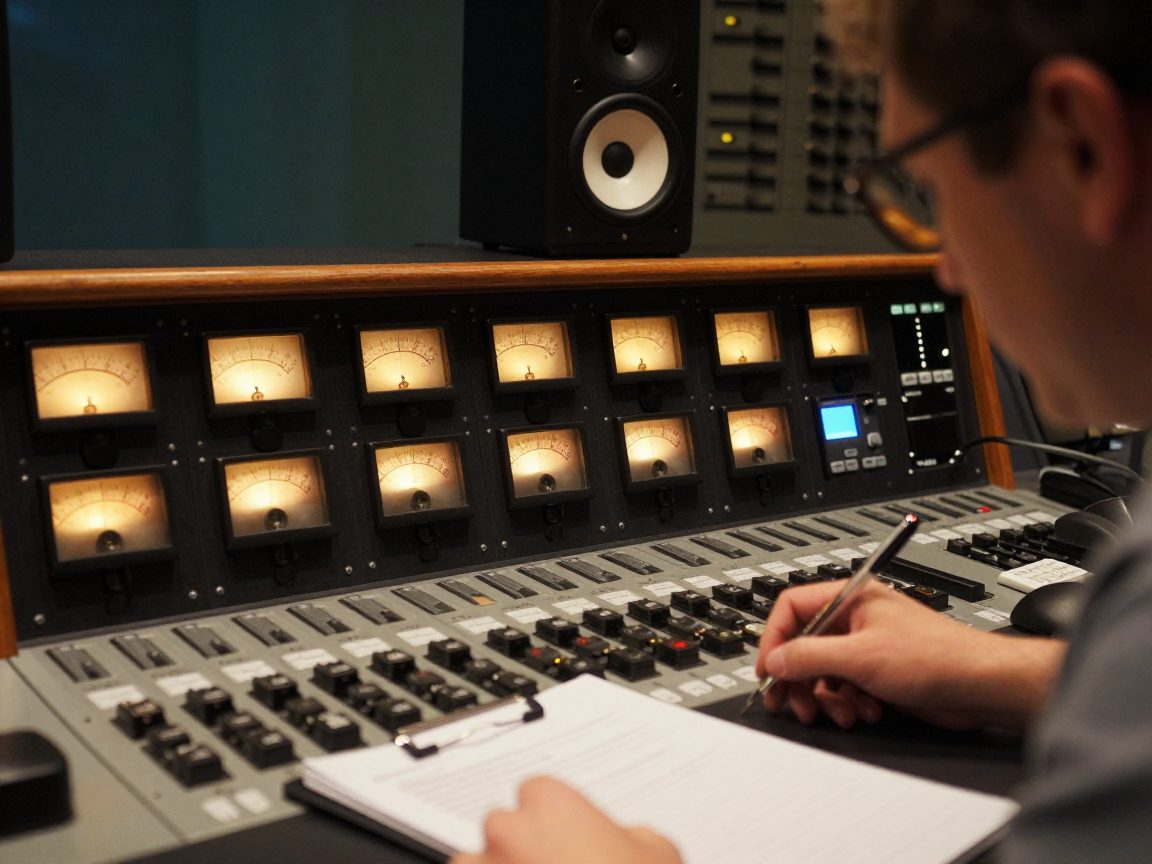
Lossy encoders (AAC, Ogg) can create peaks above 0 dBFS even when the WAV looked clean. We keep true peak safely below clip — commonly around -1 dBTP for streaming, tighter when a platform asks. Inter-sample peaks matter on modern meters.
If your mix arrives pre-squashed, mastering has less room. Send mix bus without extra limiting when you can; we measure and report after master. Technical questions: FAQ or [email protected].
Genre, dynamics and intent
Jazz, classical and ambient can stay dynamic; loud EDM or metal may read higher on average but loses impact when flat. We discuss references — not to clone, but to align expectations. Master is not a mix rescue: structural balance belongs in mix (€185).
Albums get consistent loudness where it serves the sequence; a ballad after an uptempo track does not need forced identical averages. Note sequencing and fades at delivery.
Files to send for mastering
Deliver stereo mix WAV, 24-bit, same sample rate as mix (often 48 kHz). Skip dither on the mix when we master. Mention ISRC only if you already have codes; we do not mint ISRC without agreement. Alternate edits (clean, instrumental) as separate, clearly named files.
Online mastering means upload via agreed channel; visiting Haarlemmerweg 71 for listening on our monitors is optional. Hours: Monday to Friday 10:00–19:00, Saturday 11:00–17:00. Closed Sunday. Sessions outside these hours by arrangement..
Streaming vs download vs vinyl
Streaming favours consistent loudness; download stores (Bandcamp, your site) can keep slightly more headroom for lossless buyers. Vinyl pre-masters need different EQ and bass handling — standard €75 targets digital release. Tell us channels upfront.
Spotify, Apple Music and YouTube Music differ in details; we work with industry meters and deliver release-ready files plus a short note on achieved LUFS/true peak. No chart promises — transparent specs instead.
After mastering
Approval rounds follow your quote; changes outside scope sit beyond the 2 revision rounds in terms. Final files stay archived 24 months. Loudness disputes: measurements beat phone-speaker A/B.
Plan master with band recording and mixing using band budget guide for a full cost picture.
Checklist
- Mix WAV with headroom, no brickwall on the bus.
- Target healthy LUFS for genre, true peak safe for encoding.
- Notes: references, album order, special edits.
- Release through the channel that matches your master variant.
Book Mastering via contact — from €75, 40% deposit. Good mix delivery makes mastering faster.